RESOURCES
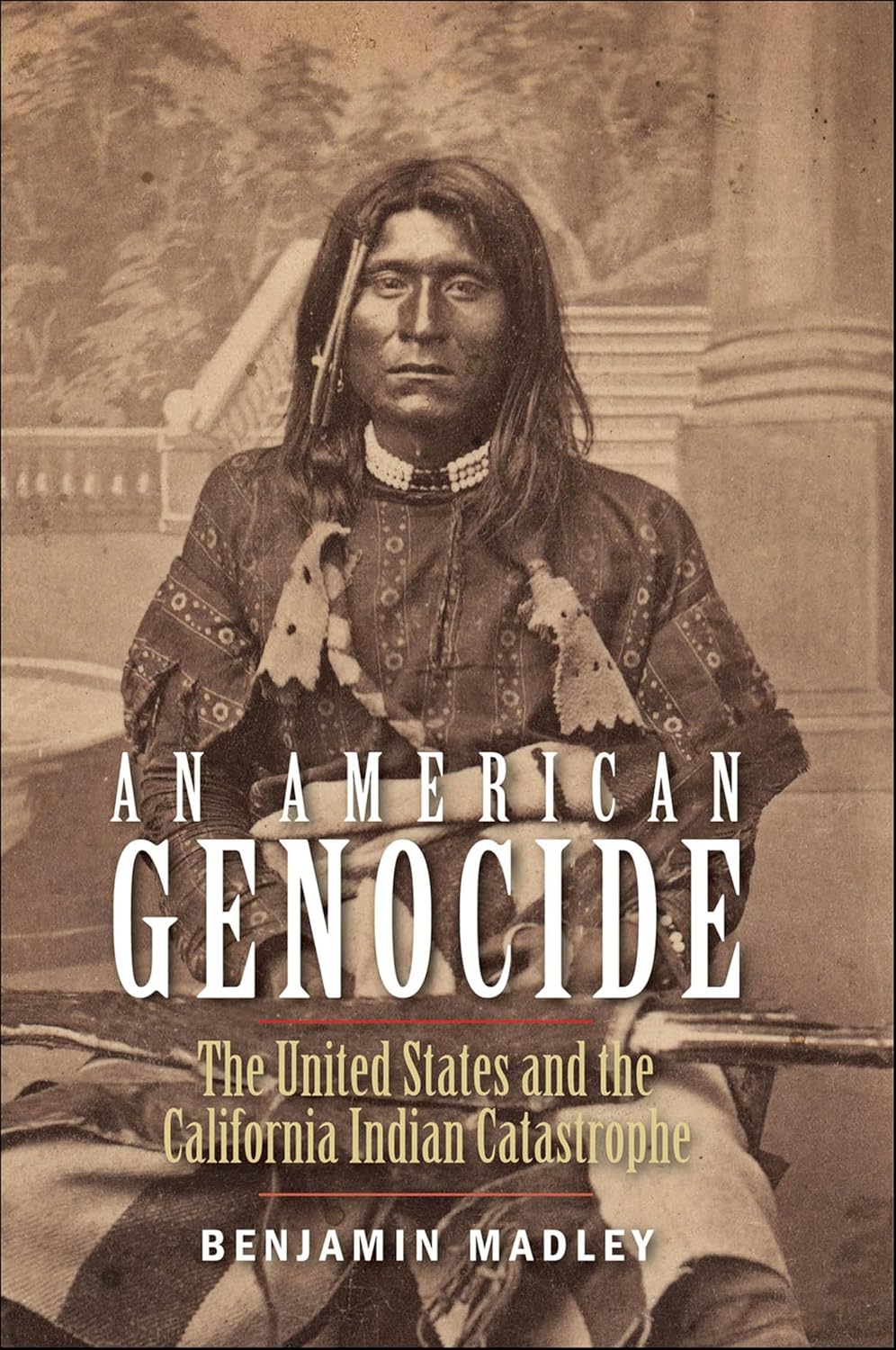
An American Genocide: The United States and the California Indian Catastrophe
Between 1846 and 1873, California's Indian population plunged. Benjamin Madley is the first historian to uncover the full extent of the slaughter, the involvement of state and federal officials, the taxpayer dollars that supported the violence, indigenous resistance, who did the killing, and why the killings ended. This deeply researched book is a comprehensive and chilling history of an American genocide
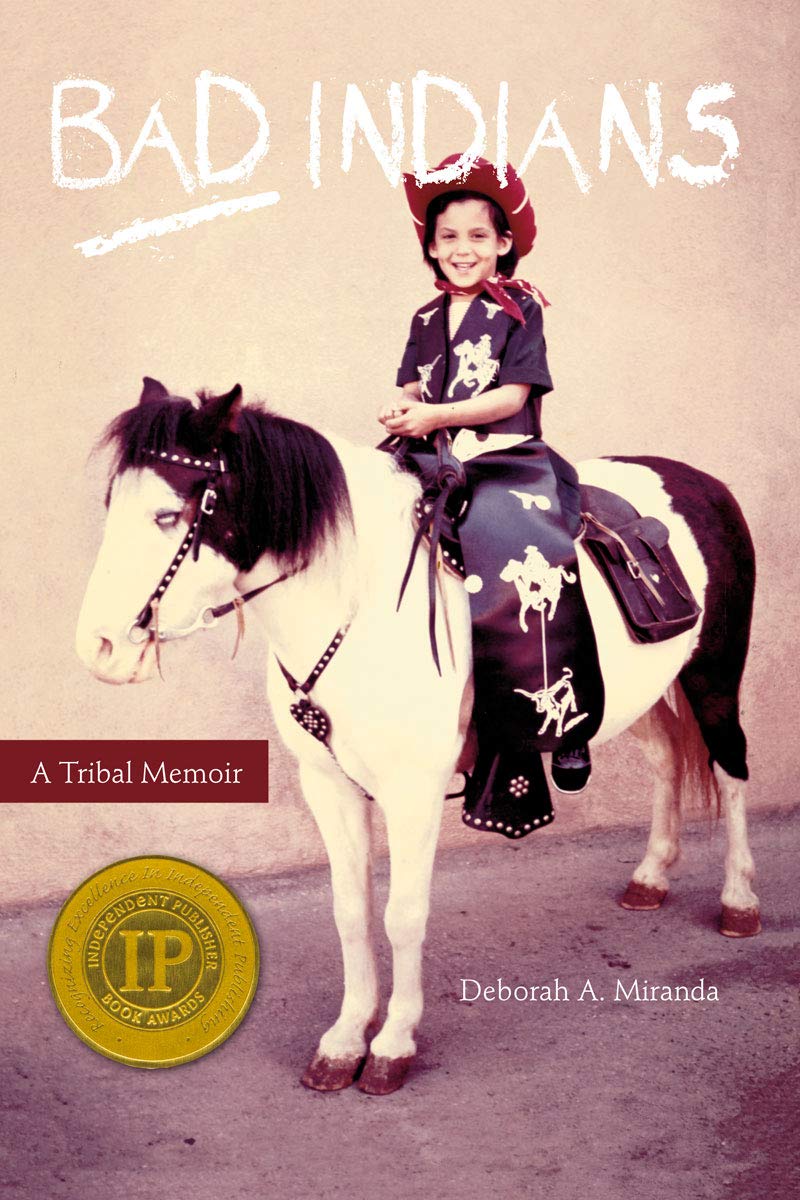
This beautiful and devastating book—part tribal history, part lyric and intimate memoir—should be required reading for anyone seeking to learn about California Indian history, past and present. Deborah A. Miranda tells stories of her Ohlone Costanoan Esselen family as well as the experience of California Indians as a whole through oral histories, newspaper clippings, anthropological recordings, personal reflections, and poems.
On Jan. 5, 1851, fewer than four months after California was admitted to the United States, its first governor, Peter Hardeman Burnett, fulminated in his State of the State Address against “the Indian foe,” calling Indians “savages.”
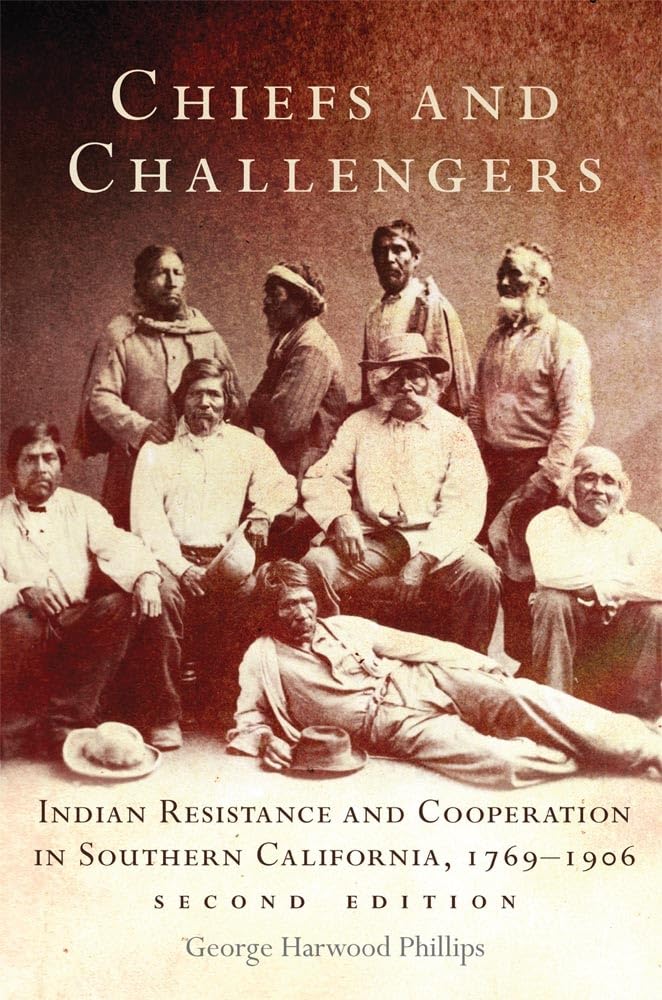
Chiefs and Challengers
Long recognized as a pioneering work in the ethnohistory of California, Chiefs and Challengers, when it first appeared, overturned the stereotype of Indian victimhood and revealed a complex political landscape in which Native peoples interacted with one another as much as they did with non-Indians intruding into their territories.
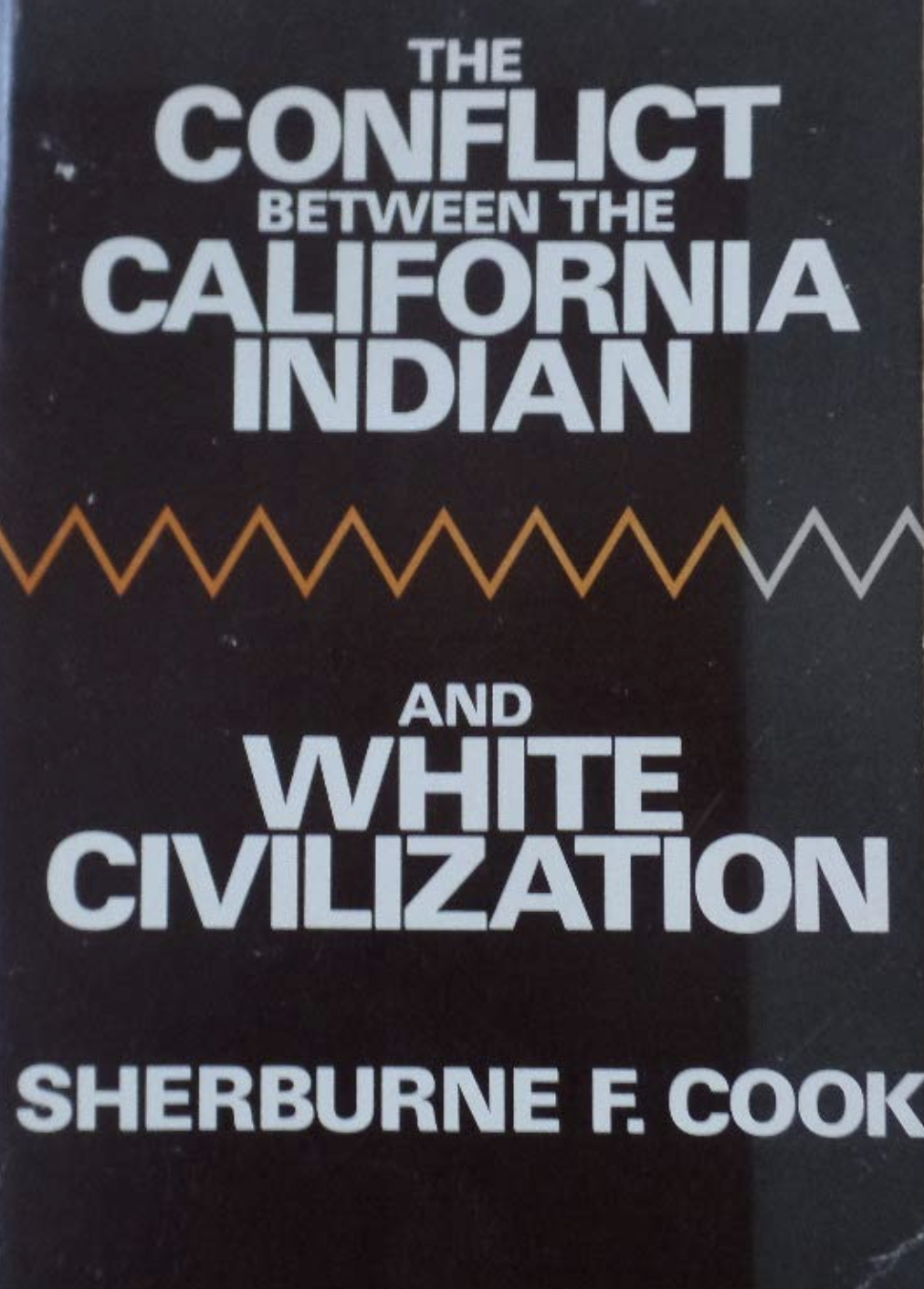
A seminal collection of essays (originally 1940s) analyzing the devastating demographic and cultural impact of Spanish missions and American settlers of California Native populations. Cook uses scientific, statistical analysis to detail how colonization, disease, and systemic exploitation caused massive population declines.
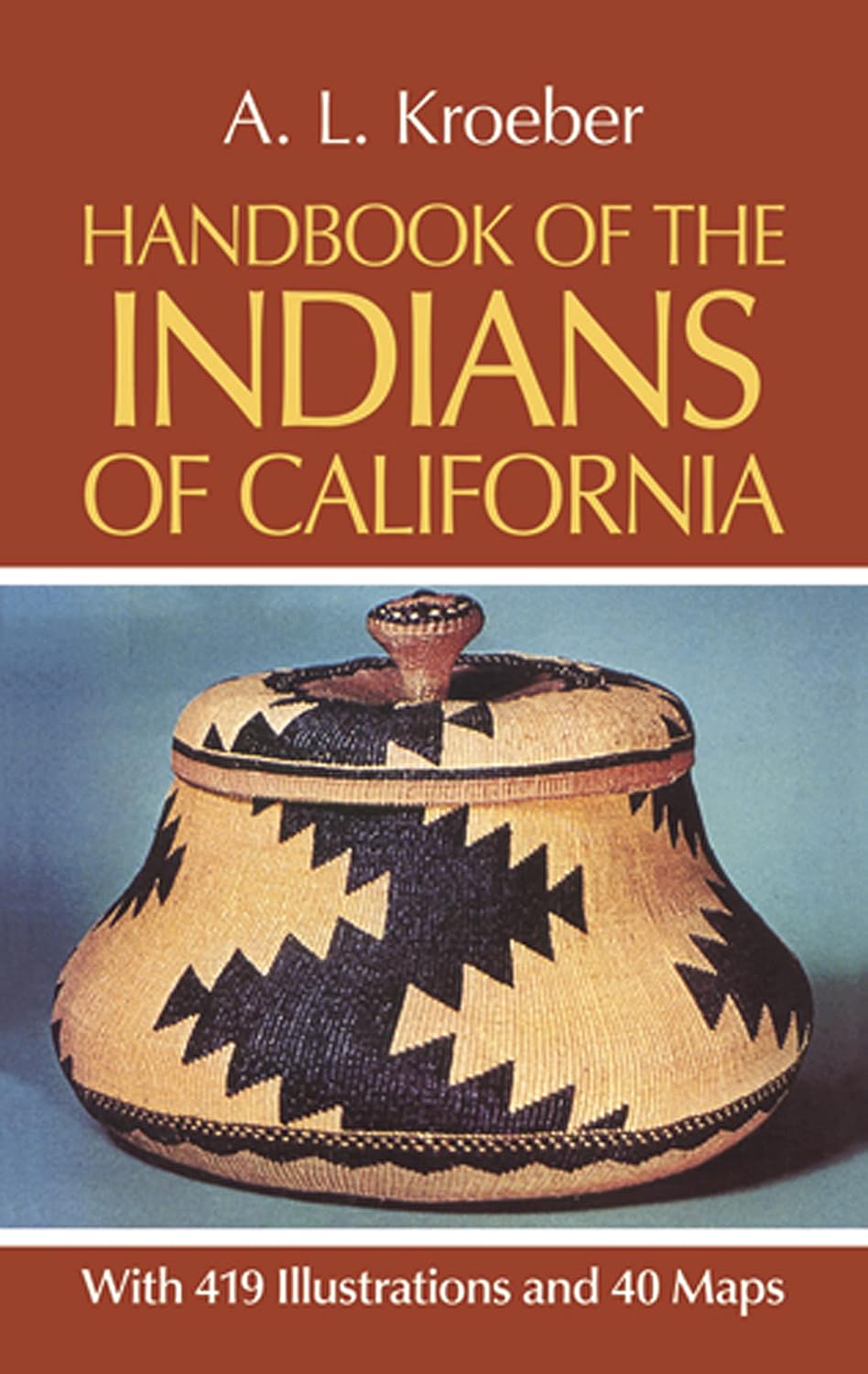
The Indians of California, in their ethnographic present, offered the widest cultural range to be found in any area of the United States. In the north they approximated the cultures of the Northwest Coast; in the center they developed distinctive, elaborate cultures based on local food supplies; and in the south and east they approximated the more primitive desert groups
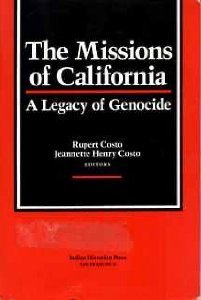
Missions of California: A Legacy of Genocide
A critical historical work that challenges the conventional, romanticized narrative of the Spanish mission system in California. The book, published by The Indian Historian Press for the American Indian Historical Society, asserts that the mission period (1769–1834) was characterized by the brutal treatment, forced conversion, and systematic exploitation of Native American populations.
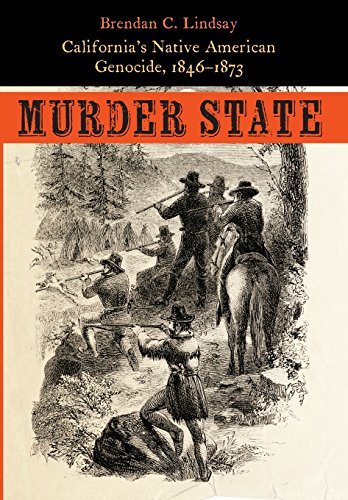
In this narrative history employing numerous primary sources and the latest interdisciplinary scholarship on genocide, Brendan C. Lindsay examines the darker side of California history, one rarely studied in detail, and the motives of both Native Americans and Euro-Americans at the time. Murder State calls attention to the misuse of democracy to justify and commit genocide.
Florence Connolly Shipek offers the results of her thirty years of research and testimony as an expert witness for the Indians struggling to regain and maintain control of their land. In tracing the historical ownership and use patterns, Shipek illustrates how a case is made. Her major concerns are to establish what the "tribal custom" is and to offer a practical guide to tribes and consultants involved in land-use planning or litigation.
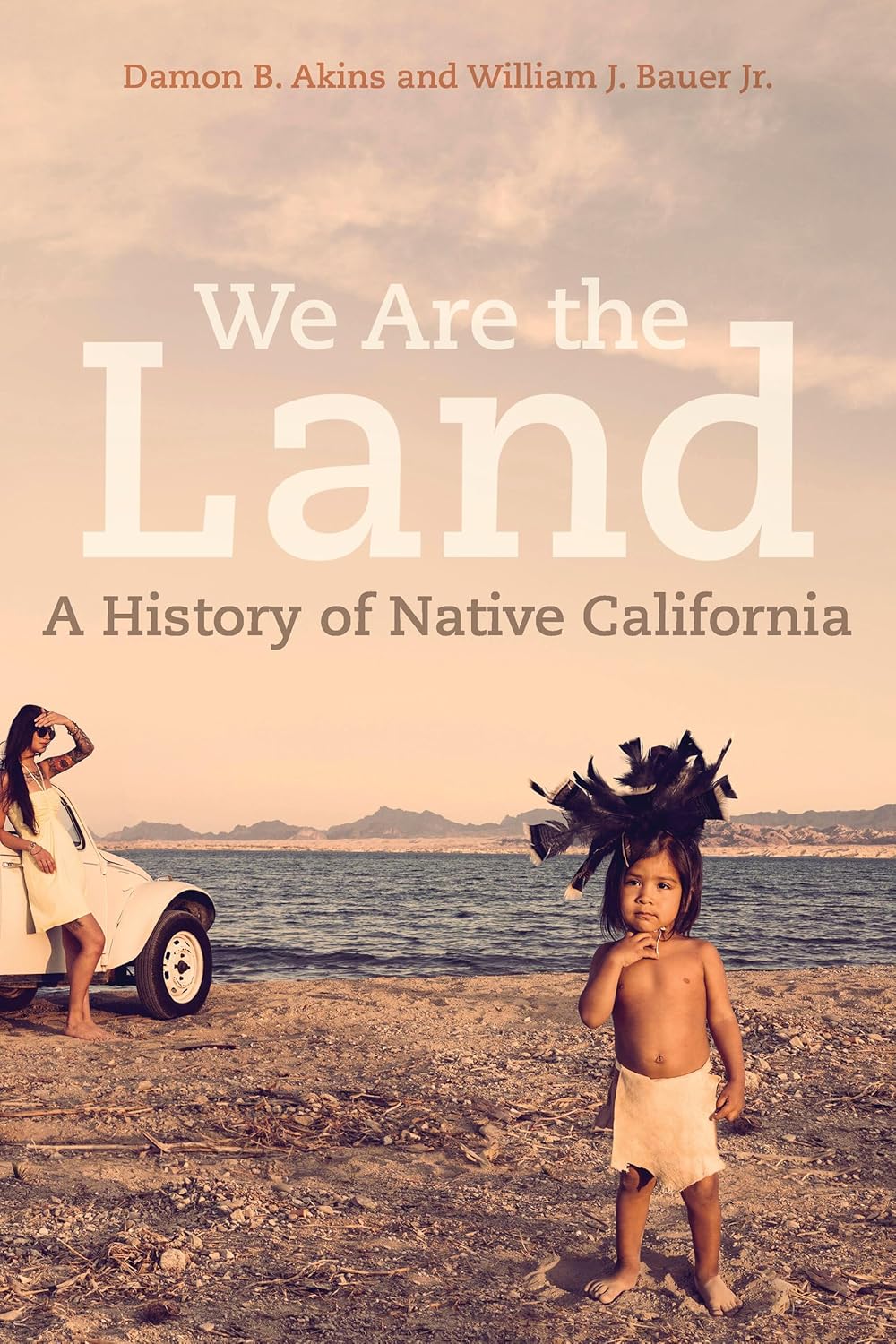
We Are the Land: A History of Native California
Beginning with the ethnogenesis of California Indians, We Are the Land recounts the centrality of the Native presence from before European colonization through statehood—paying particularly close attention to the persistence and activism of California Indians in the late twentieth and early twenty-first centuries.